Lumendice
What I set out to do:
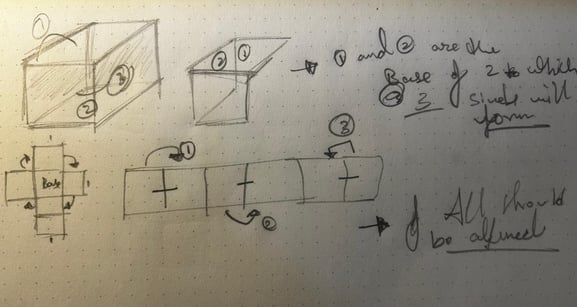
With Lumendice, I wanted to challenge myself to design levels that teach complex spatial ideas without any text or tutorials. My goal was to build puzzles where each step naturally leads players toward understanding through experimentation, curiosity, and visual cues.


My level design approach:
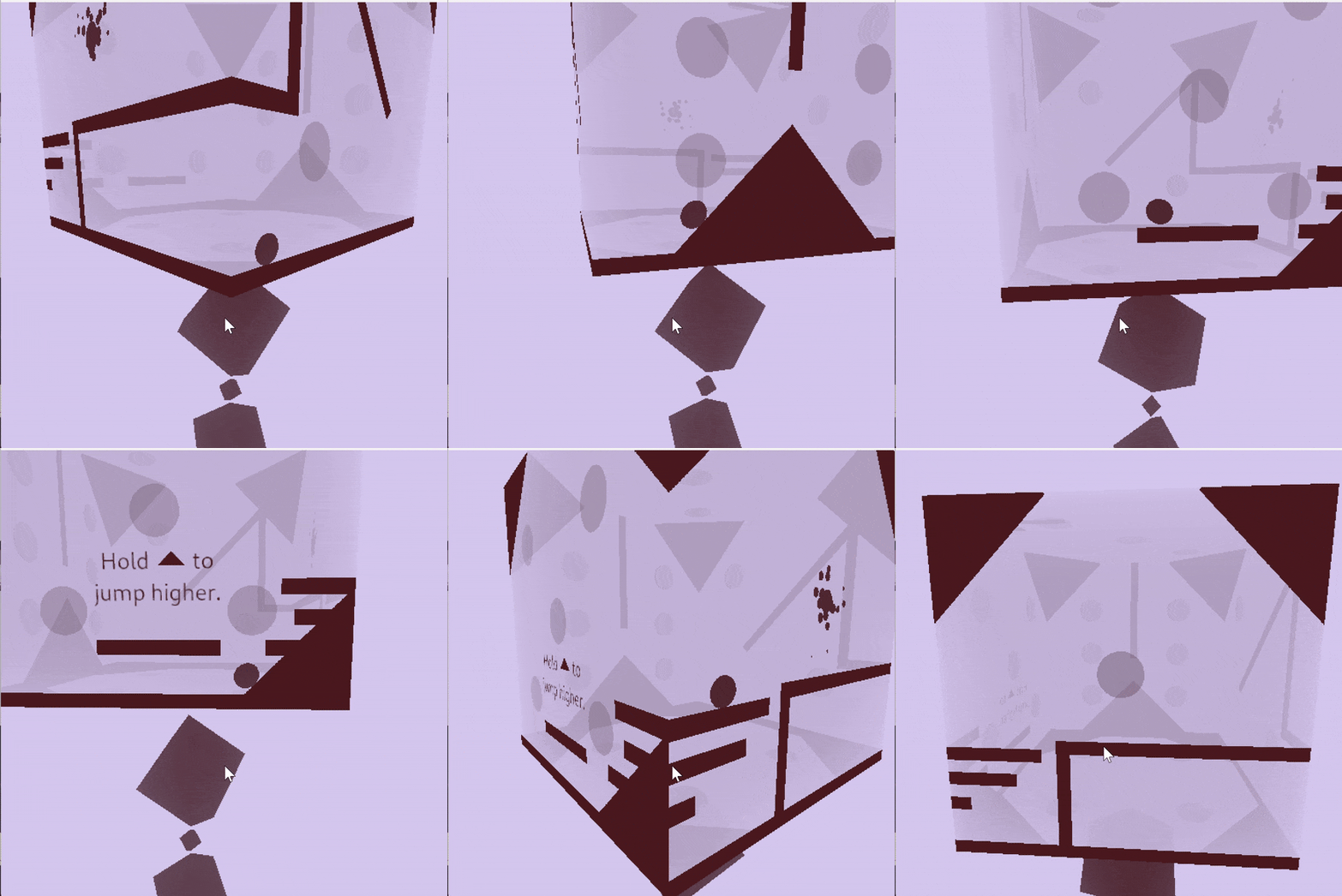
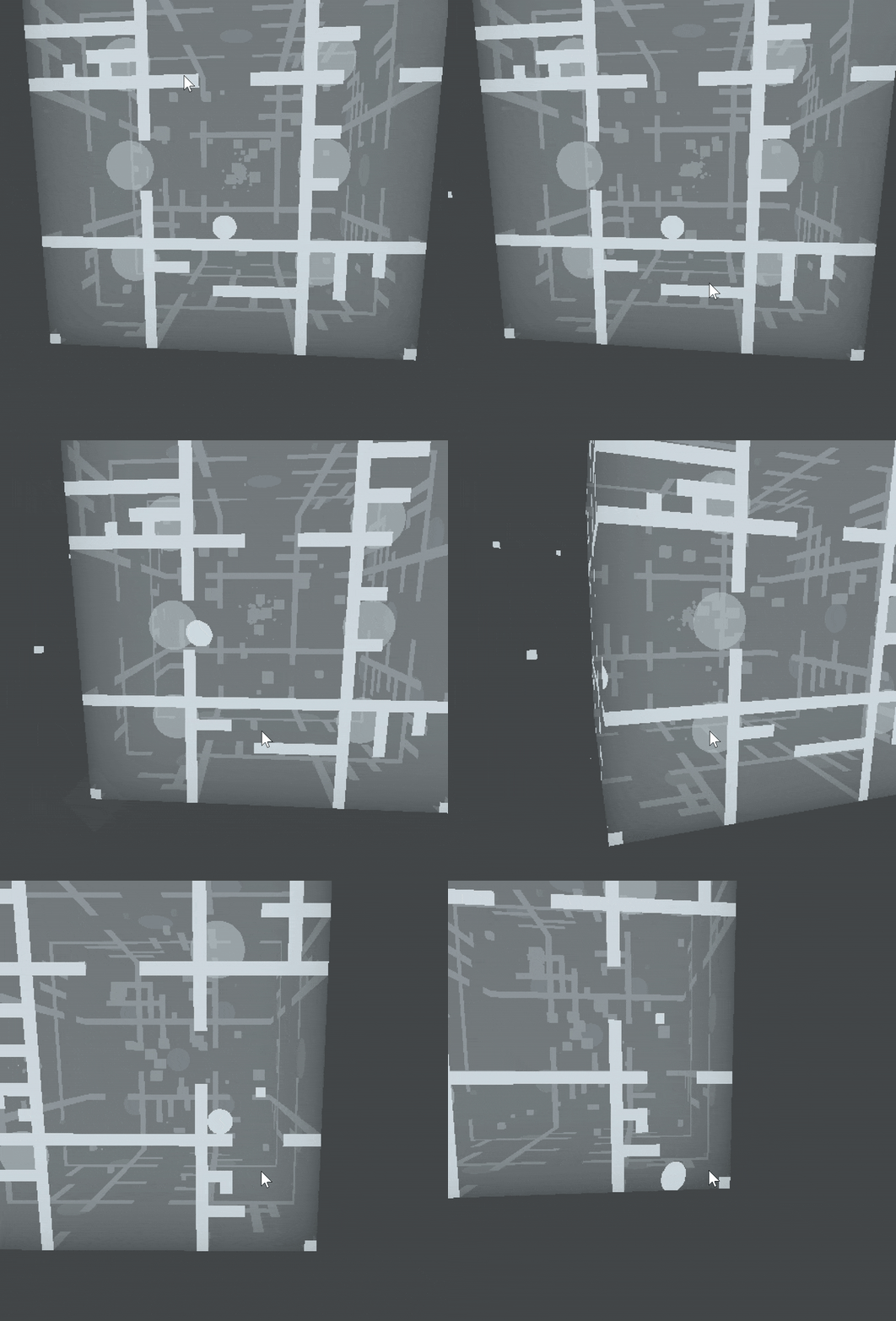
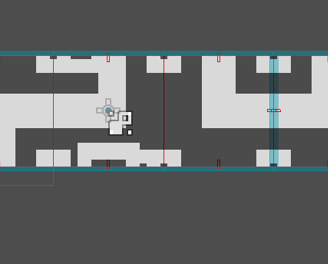
Visual clarity with layered depth: Inspired by transparent dice, each level uses soft geometry and layering to communicate structure. The walls aren’t just decorative — they help players predict how space will twist.
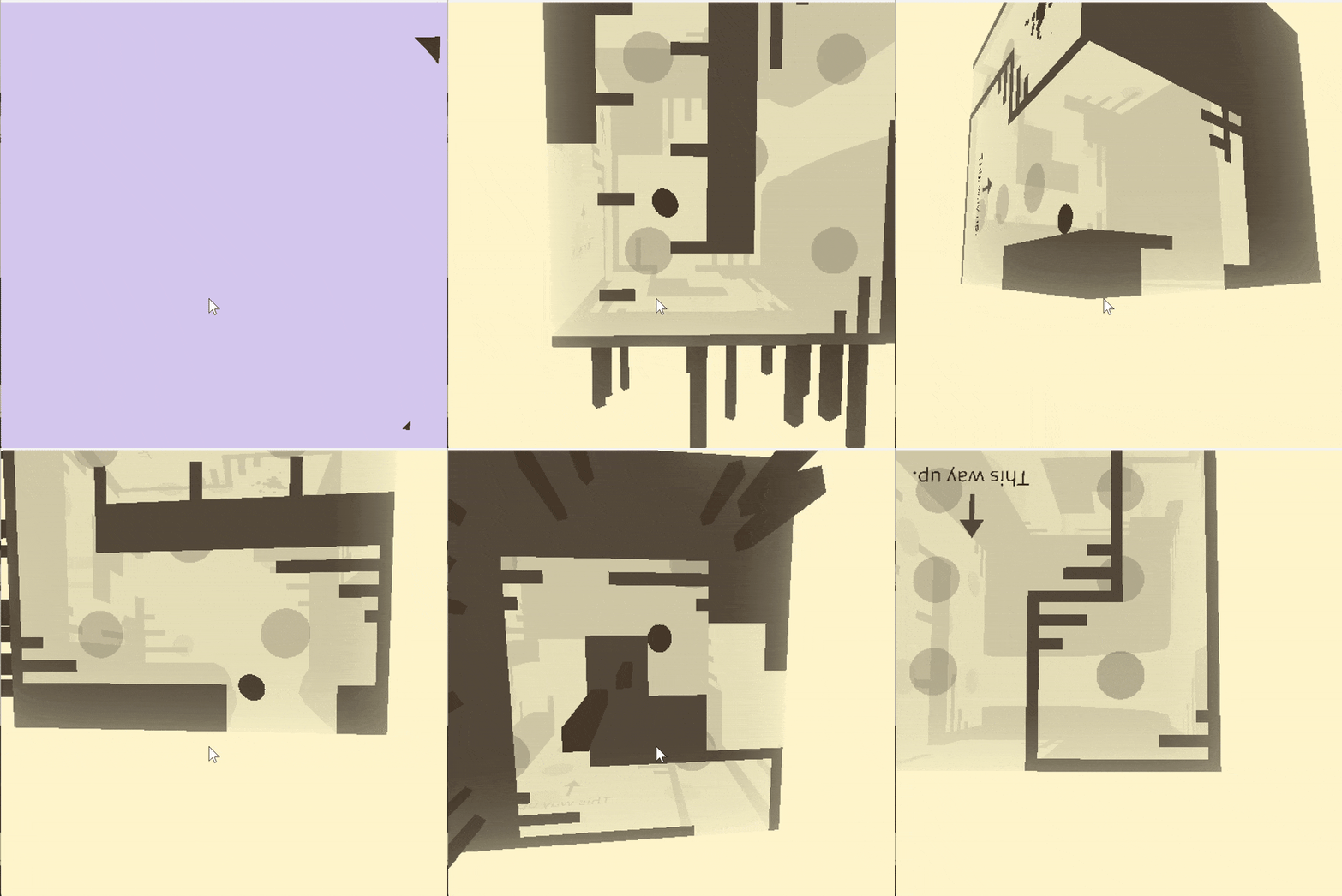
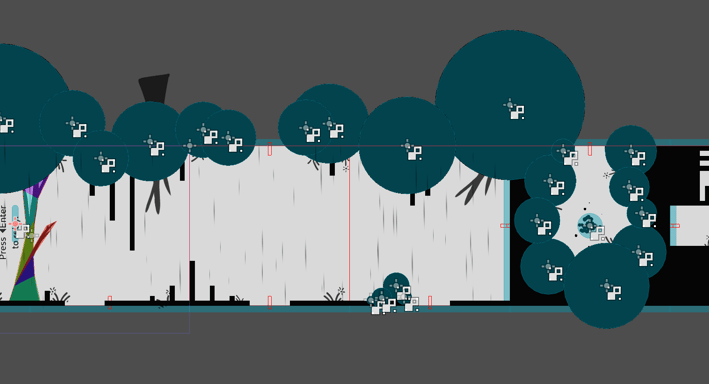
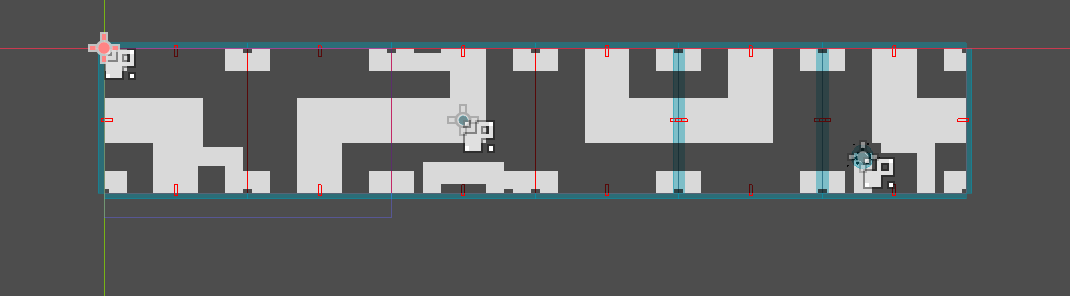
Progressive discovery: Early levels are simple loops. Later levels subvert expectations, teaching players to question orientation and path predictability. I focused on pacing complexity so players always feel clever, not overwhelmed.
Environment as teacher: Instead of explicit instructions, I use level geometry and player placement to create "aha" moments. Each challenge is designed to be solved by observation and trial, never frustration.
What I learned:
This project deepened my understanding of level design as silent instruction. I learned how subtle geometry, placement, and visual hierarchy can guide player intuition. It taught me how to balance clarity with surprise — making each space feel like a puzzle that reveals itself through movement.